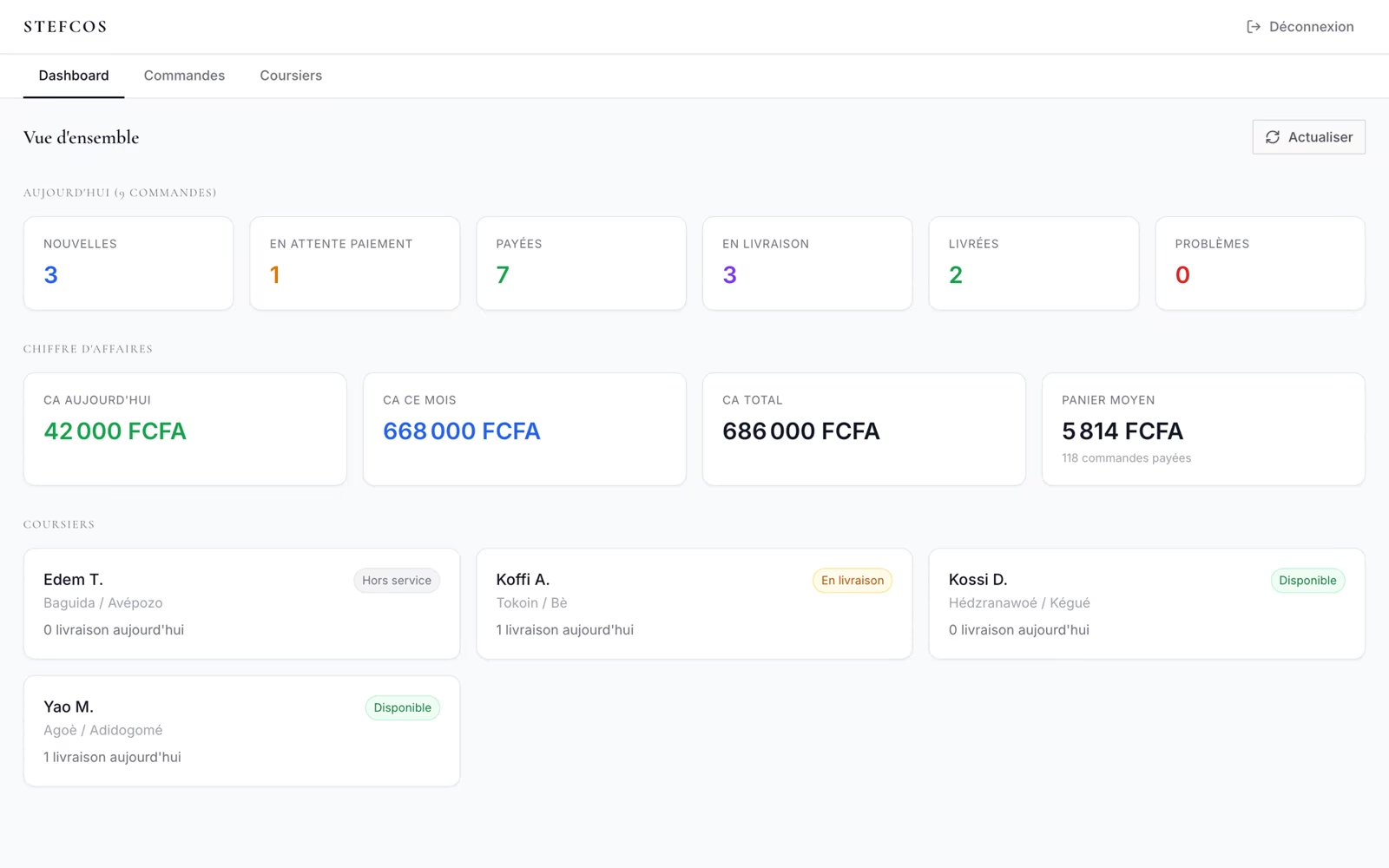
Orange Money · Business analyst (AMOA)
Orange Money, a product strategy across 4 African markets
Mobile Money and product strategy (AMOA): Orange Money's strategy and roadmap in Cameroon, Côte d'Ivoire, Senegal and Mali, under executive committee governance, with +30 to 40% on conversion, activation and retention.
- Role
- Mobile Money & Product Strategy (AMOA)
- Period
- Oct 2018 – Sep 2019
- Team
- About 60 people: tech teams, payment providers, Marketing, Compliance and local business teams
Context
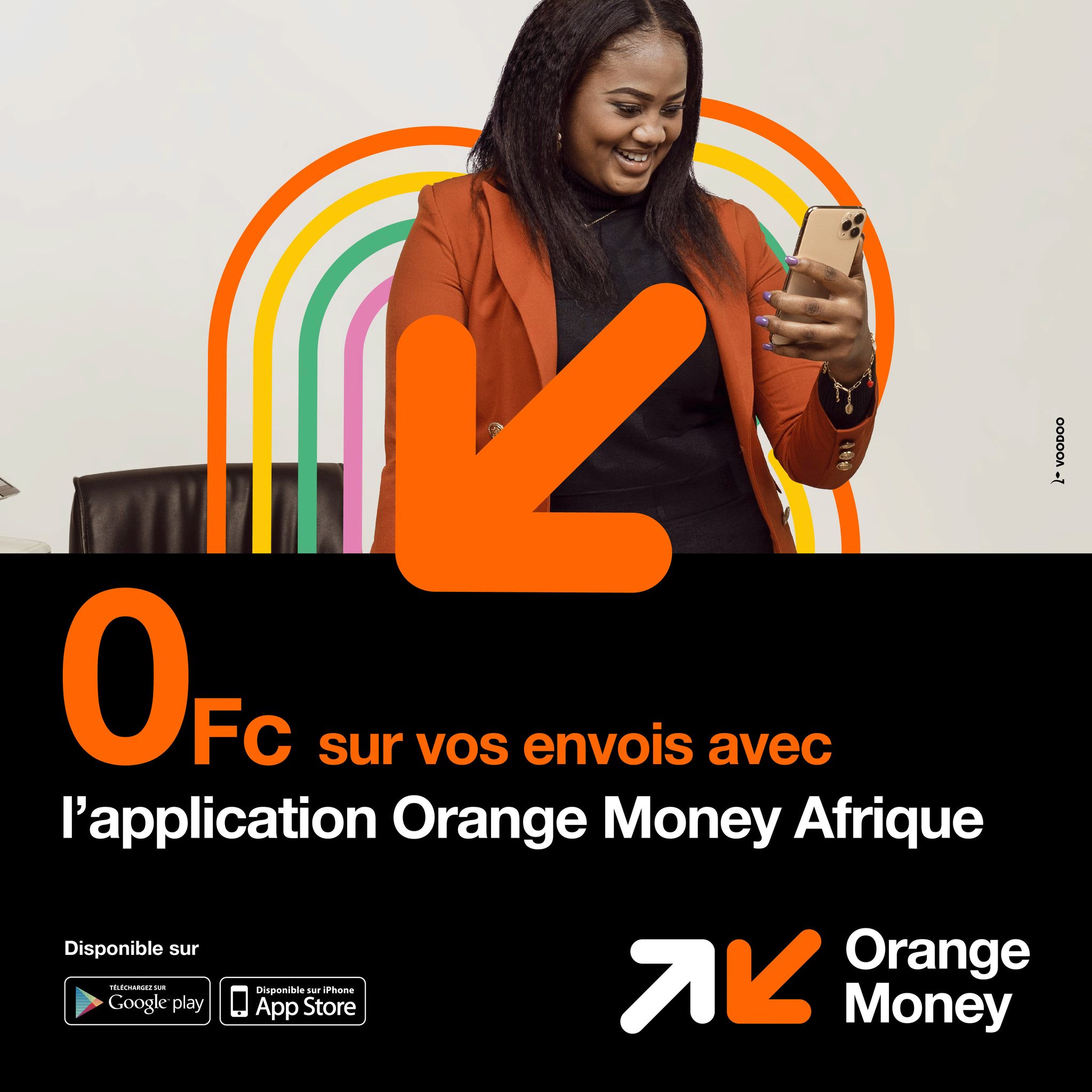
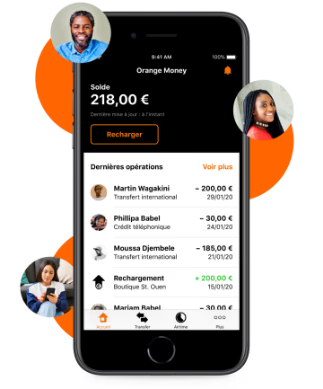
Orange Money is the Orange group's mobile money service, present in more than 26 countries: sending and receiving money, merchant payments, bill payments, top-ups. It serves markets where few people have a bank account but almost everyone has a phone.
You don't roll out an app here, you roll out an ecosystem: the service is only as good as its network of cash-in/cash-out agents, its accepting merchants and its integrations with local billers and partners. And each country is almost a different product: regulation, language, usage maturity, competition (MTN, Moov).
I worked as a business analyst (AMOA) for the Digital Strategy Department, defining and steering the product strategy and roadmap across 4 markets: Cameroon, Côte d'Ivoire, Senegal and Mali.
The problem
Same launch, opposite results: some countries took off, others stalled. Two competing hypotheses, each fixed in a different place.
- Hypothesis A, the front door: acquisition journeys (landing pages, onboarding, activation) built on a single model, poorly suited to language, digital literacy and the habit of USSD over the app.
- Hypothesis B, the ecosystem: once signed up, users didn't find enough local uses (billers, merchants), because every partner integration was rebuilt almost from scratch, country by country.
My role
Product strategy and roadmap
Defined and steered Orange Money's product strategy and roadmap across 4 markets, under executive committee governance.
Needs and market
Identified user needs and market opportunities through benchmarks and competitive analysis.
Specifications
Wrote functional specifications for new digital payment features and followed them through to rollout.
Coordination
Coordinated tech teams, payment providers and local business teams.
Journeys and UX quality
Continuously improved Mobile Money journeys, grounded in field realities and local usage.
Approach
Start from the data rather than intuition, then make visible a blocker nobody could see from the user side.
- 01
Read the conversion
Entry journeys converted about the same in markets that took off and in those that stalled: the problem came after sign-up.
- 02
Dig in with the field
With local teams, the finding got concrete: lagging markets had few billers and merchants, so few reasons to use the account.
- 03
Quantify the blocker
Documented actual partner integration lead times per country, and their direct link with the usage gaps.
- 04
Take it to the top
Escalated through governance to the executive committee, so work invisible to users wouldn't lose out to visible local requests.
Deliverables
Impact
4
Markets: Cameroon, Côte d'Ivoire, Senegal, Mali
+30–40%
Conversion, activation and retention
26
Countries where the group operates
- +30 to 40% on Mobile Money journey performance indicators: conversion, activation, retention.
- New digital payment features specified and followed through to rollout.
- Partner integration lead times made visible, quantified and taken to the executive committee.
Learnings
- A per-market average almost always hides the real signal: I should have segmented conversion by channel, USSD versus app, from the start. A user used to USSD doesn't switch to the app just because it exists.
- Infrastructure work users never see always loses prioritisation to visible requests, unless someone defends it with numbers.
- A multi-country rollout is won market by market: same product, different framing.